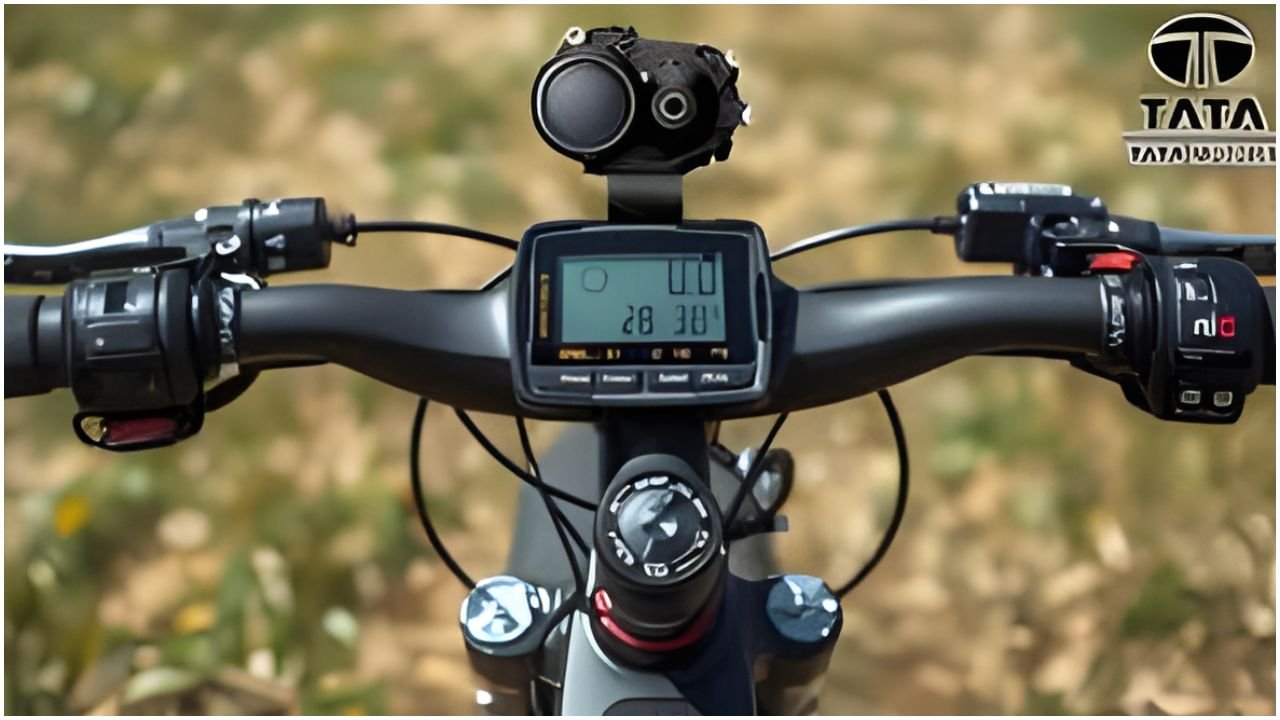
The Tata Electric Cycle 2026 electric mobility space in India is rapidly evolving and the 2026 Tata Electric Cycle enters the conversation as a budget focused solution for short distance commuting. Positioned as an affordable alternative to petrol powered two wheelers, this electric cycle combines a 36V battery system with a claimed 120 km riding range.
With an introductory price of ₹12,999, it targets students, office commuters, and small scale delivery users seeking minimal operating costs. Unlike traditional e-bikes that emphasize speed, this model focuses on practicality, energy efficiency and daily usability.
Urban Design with Lightweight
The 2026 Tata Electric Cycle is built around a strong yet lightweight frame, making it easy to maneuver in city traffic. Its slim profile allows riders to navigate narrow streets and crowded areas without difficulty.

The cycle retains a clean and minimal appearance, with integrated battery housing that maintains structural balance. LED headlamps and reflectors improve visibility for evening riding, adding a layer of safety.
36V Battery and Efficient Motor
Powering the electric cycle is a 36V lithium-ion battery paired with a hub mounted electric motor. This setup is engineered to deliver consistent pedal-assist support rather than high speed performance. The motor activates smoothly, providing assistance while pedaling and reducing rider fatigue.
The power delivery is steady and silent, making it suitable for residential areas and campus environments. With moderate top speed capability aligned with electric cycle regulations, it ensures safe and controlled riding.

Claimed 120 km Riding Range
One of the major highlights of the 2026 Tata Electric Cycle is its claimed 120 km range on a single charge under ideal riding conditions. This makes it suitable for multiple days of short commutes without frequent recharging.
Actual riding range may vary depending on terrain, rider weight, and usage of pedal assist. However, the efficient motor and optimized battery management system help maximize energy utilization.
Fast Charging and Low Running Cost
Charging the Tata Electric Cycle is straightforward. The battery can be connected to a standard home power socket, with a full charge typically completed within a few hours. The electricity cost per full charge remains significantly lower than daily fuel expenses of petrol powered vehicles.

Maintenance requirements are also minimal compared to motorcycles or scooters. With fewer mechanical components, servicing costs remain controlled over the long term.
Comfort and Practical Features
The 2026 model focuses on everyday practicality. The suspension fork at the front absorbs minor road bumps, improving ride comfort on uneven surfaces. Disc or drum brake options ensure reliable stopping performance.
A small digital display panel provides information such as battery level, speed and riding mode. Some variants may include multiple pedal-assist modes, allowing riders to adjust power support based on requirement.

Affordable Pricing Strategy
With an introductory price of ₹12,999, the Tata Electric Cycle 2026 positions itself in the entry level electric mobility segment. This pricing makes it accessible to students, delivery riders and first time electric vehicle users.
Its affordability, combined with negligible fuel expense and low servicing cost, enhances long-term savings. For short distance commuting needs, it presents a practical and economical transportation alternative.
Conclusion
The 2026 Tata Electric Cycle offers a balanced mix of affordability, efficiency and everyday practicality. Equipped with a 36V battery system, a claimed 120 km range and an accessible starting price of ₹12,999, it aims to simplify urban mobility.

While it is not designed for high speed travel, it fulfills the needs of short-distance riders looking for a cost effective and eco friendly solution. As electric mobility continues to expand, products like this demonstrate how accessible technology can support daily transportation needs without financial strain.